It’s mid-summer, and your tomato plants now have 6-8 weeks of growth in your garden. Here are some ways to ensure your plants will stay healthy and yield the best crop ever this season.
Supporting the plant
You may need to reinforce the support system you established when you planted the tomato plant. By now, it is stretching beyond the cage and may need additional ties to hold it to the stake. Indeterminates will easily grow 10-15 feet without intervention. Use soft ties to keep the central stalk close to the stake.
Nutrients
If your plants look healthy but you don’t see many blossoms, they may have an excess of nitrogen. If you suspect you over-fertilized your tomatoes with nitrogen, you may need to apply a phosphorus-rich fertilizer to support the flowering and fruiting phase. This should be done via a side-dressing with a fertilizer that has a 1-2-1 ratio of nitrogen, phosphorus, and potassium.
Watering
This can be a challenge during the summer, especially since temperatures can fluctuate significantly. Tomatoes are thirsty crops that need 3 gallons of water per week during the flowering period. If the plant doesn’t have enough water, it won’t be able to take up the nutrients needed for flowers, as it will conserve its energy for leaves and stems.
Check if your plants are getting enough water. Underwatering and overwatering can look similar, with droopy leaves that may be wilted, yellowed, and curled at the edges. Check the soil surface. If it feels hard or cracked, water deeply and add some mulch to help retain moisture. If the soil appears moist or mushy, stop watering and aerate the soil by gently hoeing the surface. Avoid watering small amounts daily. The ideal watering schedule involves providing consistent, regular deep watering to reach the roots, followed by a drying period before the next watering. Consistent watering practices can prevent the risk of blossom-end rot.
Pruning
Pruning can boost production, improve airflow, and facilitate easier harvesting. Determinate varieties don’t need pruning, but indeterminate varieties benefit from pruning.
Pruning can help improve blooming by redirecting the plant’s energy from producing too many leaves to making more flowers. When pruning, avoid removing too much foliage at once, especially if it is shading the growing fruit. Save some leaves to protect against sunscald. Remove leaves that touch the soil, as they can provide a direct route for pests and disease. Remove suckers (small shoots growing between the main stem and branches). While they can eventually produce some flowers, they drain the plant of energy and add more leaves that impede air circulation. As summer progresses, the lower leaves will begin to turn yellow. This signals that they no longer produce sugar, so remove them.
When pruning, ensure that you use clean clippers or shears and sanitize them between pruning each plant to prevent the spread of disease.
Temperatures
Excessive heat is an uncontrollable factor affecting tomato plants. The plants thrive when temperatures are between 70°F and 90°F. Outside this range, the plants could become stressed.
You can reduce the impact of high temperatures by providing shade for the plants. Make sure the shade material doesn’t touch the plants or block air circulation.
Speed up ripening
You can hasten the ripening process by stressing the plant. Stressing techniques include:
- Start significantly reducing watering in early August.
- Start removing blossoms or small fruit as August progresses. They probably won’t develop into fruit before the end of the season.
- Remove vines that are growing higher than the cage.
Remember that the best garden “tool” is the gardener’s shadow. Keep a close eye on the plants and check them for pests, diseases, and other potential problems so they can be identified and addressed early.
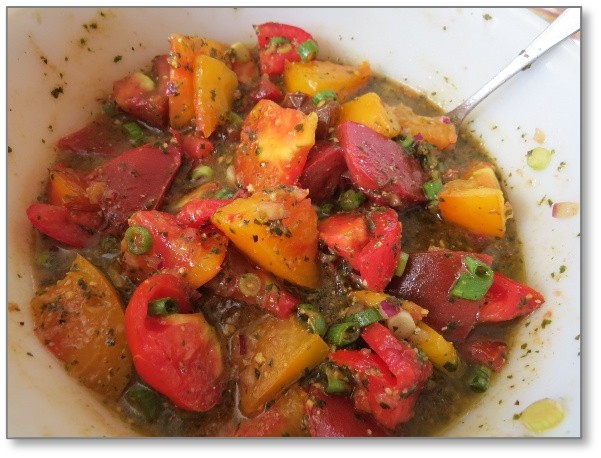
Happy Gardening and enjoy your tomatoes!
Click here for a printable pdf of this article. Written by Amelia Wilbur, July 2025
Photos courtesy of pixabay.com and S. Sheng
 Clackamas County Master Gardener™ Association